

Pectus Excavatum Care & Treatment​

Pectus excavatum is a condition in which the breastbone is sunken into the chest. Our expert team provides clear diagnosis, compassionate guidance, and advanced treatment options tailored to your child’s needs.

Introduction to Pectus Excavatum

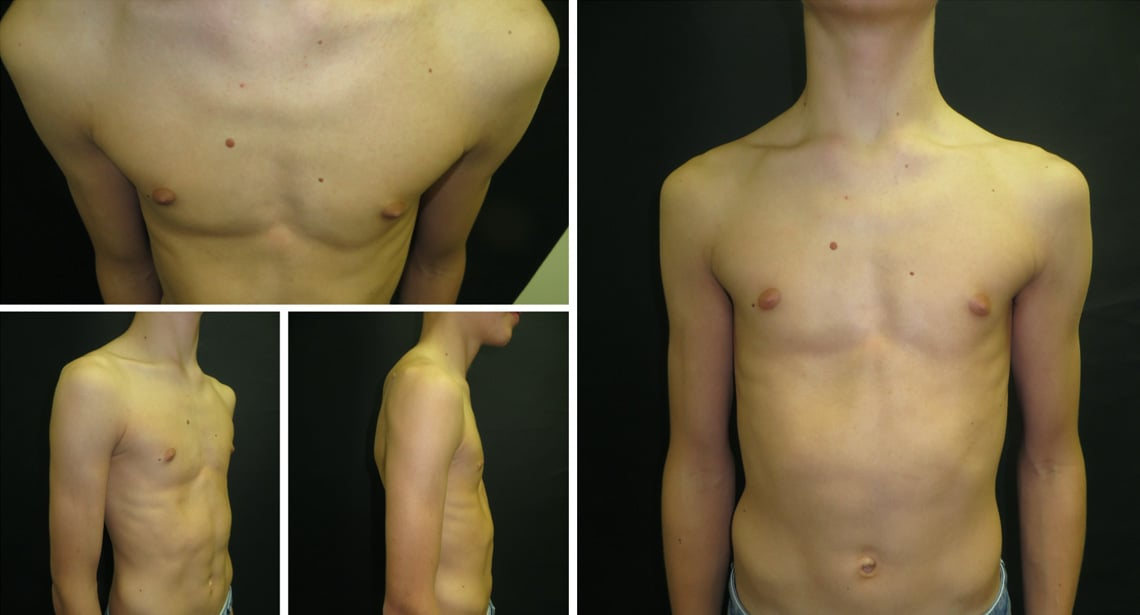
Pectus excavatum, commonly referred to as “funnel chest,” is the most common congenital chest wall deformity. It occurs when the ribs and sternum (breastbone) grow abnormally, causing the chest to cave inward. While some cases are mild and primarily cosmetic, moderate to severe cases can compress the heart and lungs, leading to physical limitations and discomfort.

At KIDS Orthopedics and Chest Care, we understand that a pectus excavatum diagnosis can be overwhelming for families. Our goal is to provide you with a clear understanding of the condition, its anticipated clinical course, and the most effective, personalized treatment options available for your child.

kids ortho and chest care logo
dr. abdullah

Meet Dr. Abdullah

Dr. Abdullah is the premier national expert in chest wall surgery and has performed more chest wall surgeries than any other surgeon in the Midwest over the last decade. With more than 20 years in practice and as a Chicago Top Doctor award winner for four years, Dr. Abdullah leads KIDS Orthopedics and Chest Care with experience, precision, and dedication.

Our team has evaluated thousands of children with chest deformities. In many cases, we are able to clearly explain the diagnosis and anticipate the clinical course of the condition, giving families clarity and confidence in their next steps.

Signs and Symptoms

rib flare 9a

Physical Appearance

The most noticeable sign of pectus excavatum is a distinct indentation in the center of the chest. This depression may be present at birth but often becomes much more pronounced during the rapid growth spurts of early adolescence.
respiratory and cardiac effects

Respiratory and Cardiac Effects

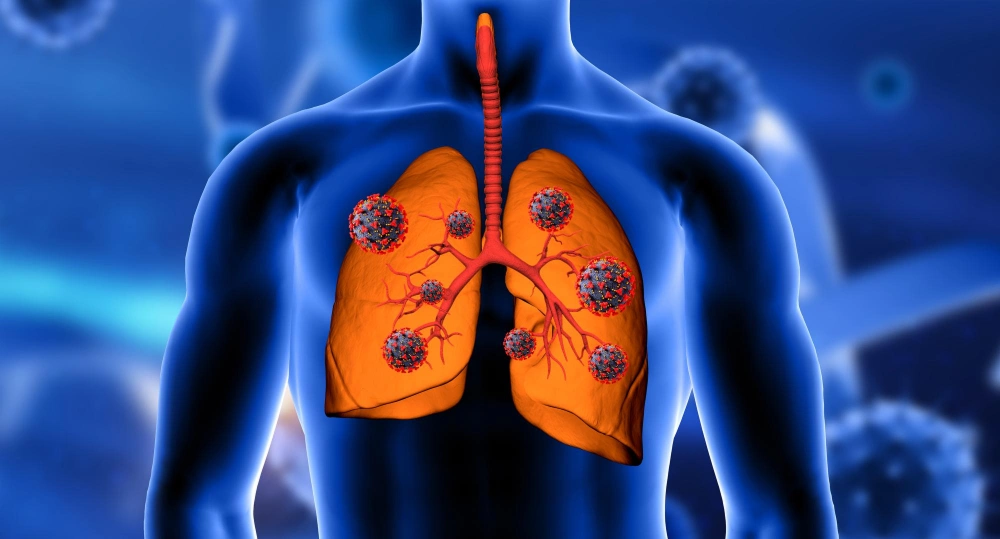
In moderate to severe cases, the sunken breastbone can compress the heart and lungs. Children and teens may experience shortness of breath, especially during exercise, decreased stamina, chest pain, or a rapid heartbeat.
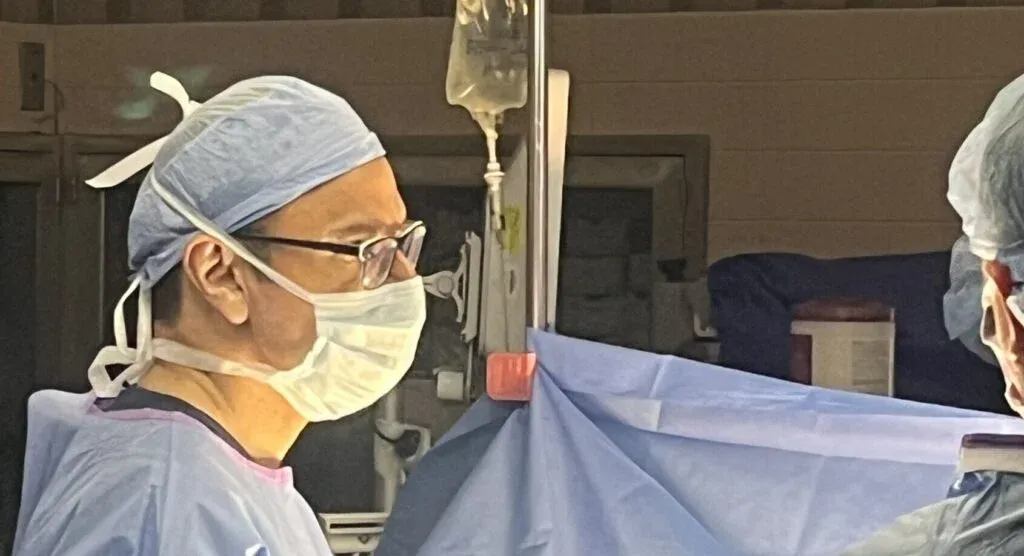
dr abdullah in surgery

Psychological Impact

Beyond the physical symptoms, pectus excavatum can have a profound psychological impact. Many children and teenagers feel self-conscious about their appearance, leading to social withdrawal, reluctance to participate in sports, or avoidance of activities like swimming where the chest is exposed.

Types of Pectus Excavatum

Mild, Moderate, and Severe

Pectus excavatum severity is measured using the Haller Index, which compares the chest’s width to its depth. A normal value is around 2.5 or less. Mild cases usually require monitoring, while moderate to severe cases (above 3.25) may need medical or surgical treatment to reduce pressure on internal organs.

Symmetric vs. Asymmetric

Pectus excavatum can present symmetrically, where the indentation is perfectly centered, or asymmetrically, where the depression is deeper on one side (usually the right). Dr. Abdullah's extensive experience ensures that even the most complex, asymmetric deformities are treated with precision for optimal functional and cosmetic outcomes.

Diagnosis

Physical Examination

Most evaluations begin with a thorough, non-invasive physical exam. Dr. Abdullah and our team will assess the depth of the indentation, the flexibility of the chest wall, and the patient’s overall posture and physical development. We also utilize 3D surface scanning and traditional photography to document the condition accurately.

Imaging Tests

To fully understand the internal impact of the deformity, imaging tests may be required. We prioritize MRI imaging over CT scans whenever possible to assess the internal structure, measure the Haller Index, and evaluate any compression on the heart and lungs without exposing your child to unnecessary radiation.

Treatment Options

Treatment decisions are tailored to each child’s development and specific condition.

Nonsurgical Treatment

For appropriate patients, we offer Vacuum Bell therapy, a non-invasive device that uses controlled suction to gradually lift the sternum over time. It is most effective in mild to moderate cases, especially in younger patients, and requires consistent use for best results.

Surgical Treatment

For moderate to severe cases, Dr. Abdullah specializes in the minimally invasive Nuss Procedure, often combined with advanced cryoablation for superior pain control. In select complex cases, a modified Ravitch Procedure may be discussed.

What Our Patients Are Saying

Frequently Asked Questions