


Pectus Carinatum Care & Treatment
Pectus carinatum is a condition where the breastbone and ribs protrude outward. Our specialized team offers expert evaluation and highly effective, non-surgical bracing treatments to help your child thrive.
Introduction to Pectus Carinatum
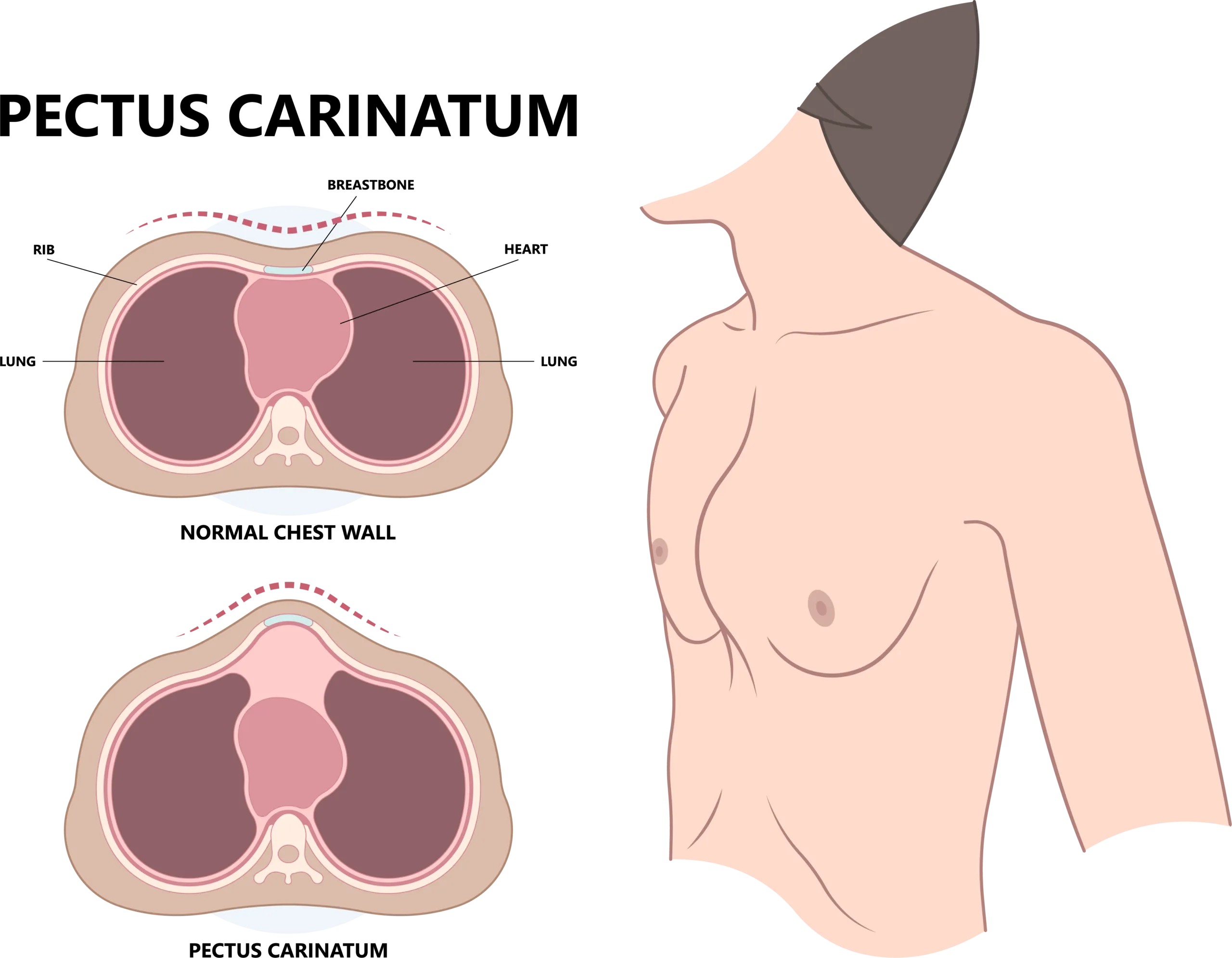
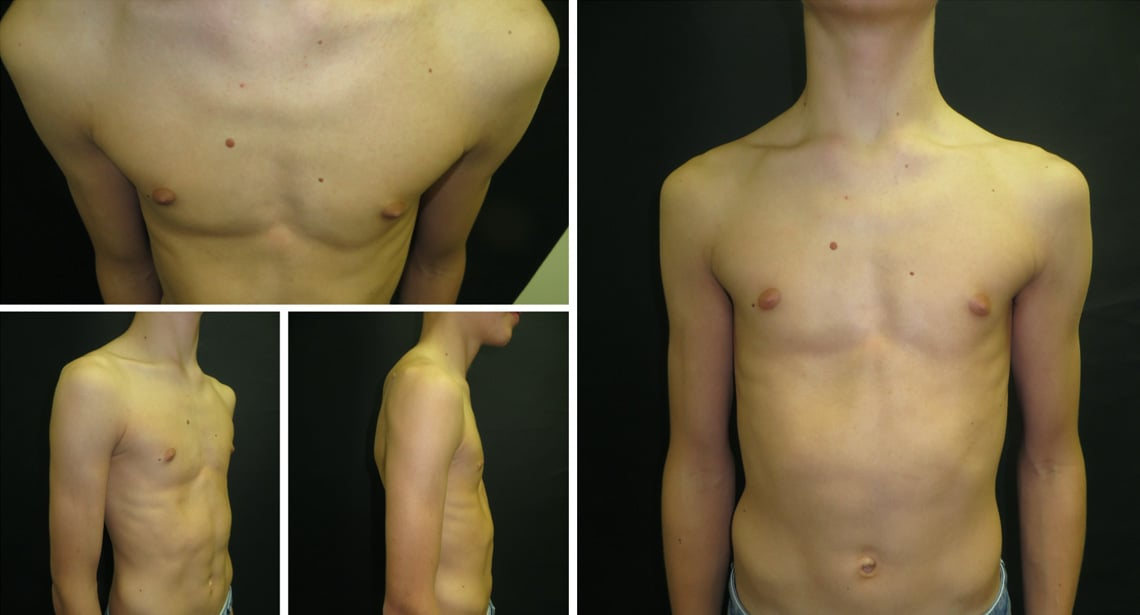
Pectus carinatum, sometimes referred to as “pigeon chest,” is a chest wall deformity characterized by an outward protrusion of the sternum (breastbone) and ribs. This occurs due to an overgrowth of the cartilage connecting the ribs to the breastbone. While it is less common than pectus excavatum, it can still cause significant physical and emotional distress for growing children and teenagers.
At KIDS Orthopedics and Chest Care, we specialize in the comprehensive evaluation and treatment of pectus carinatum. We focus on providing clear answers and guiding families through highly successful, personalized treatment plans tailored to your child’s specific stage of development.
Meet Dr. Abdullah
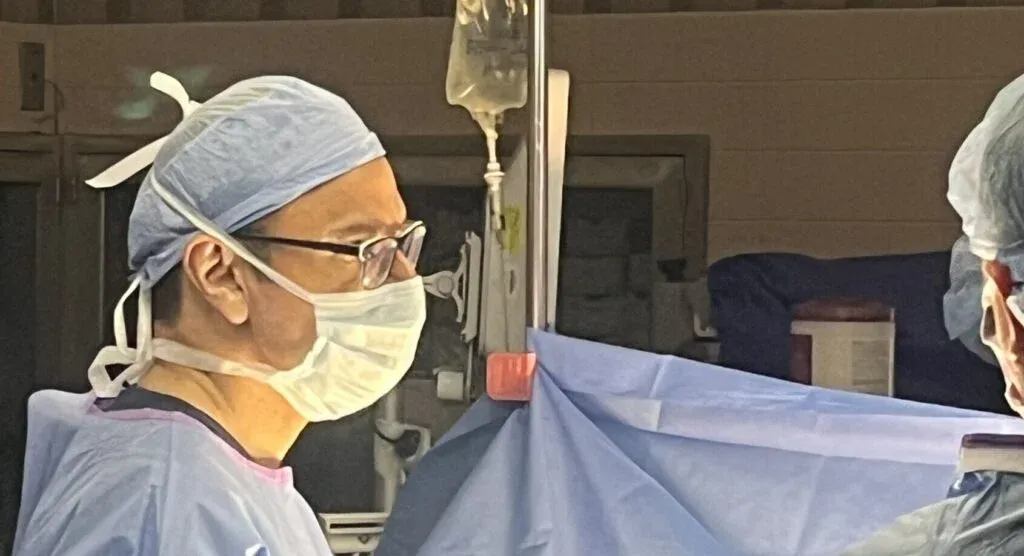
Dr. Abdullah is the premier national expert in chest wall surgery and has performed more chest wall surgeries than any other surgeon in the Midwest over the last decade. With more than 20 years in practice and as a Chicago Top Doctor award winner for four years, Dr. Abdullah leads KIDS Orthopedics and Chest Care with experience, precision, and dedication.
Our team has evaluated thousands of children with chest deformities. In many cases, we are able to clearly explain the diagnosis and anticipate the clinical course of the condition, giving families clarity and confidence in their next steps.
Signs and Symptoms
Physical Appearance
Physical Discomfort
Psychological Impact
Diagnosis
Physical Examination
Diagnosis begins with a comprehensive physical examination. Dr. Abdullah will evaluate the shape, symmetry, and flexibility of the chest wall. Because the success of non-surgical treatment depends heavily on chest wall flexibility, this assessment is a critical first step.
Advanced Imaging and Scanning
We utilize non-invasive 3D surface scanning and traditional photography to accurately document the severity of the protrusion. In most cases of pectus carinatum, invasive testing or radiation is not required. If necessary, MRI imaging may be used to assess the internal structure and monitor progression without exposing your child to radiation.
Treatment Options
External Compression Bracing (Non-Surgical)
The gold standard for treating pectus carinatum in children and teens is external compression bracing. Because the chest wall is still flexible during adolescence, a custom-fitted brace can be used to gently apply pressure to the protruding breastbone, gradually reshaping the chest over time. Much like braces straighten teeth.
Duration
Most cases are treated successfully with bracing, typically worn for 12 to 36 months depending on the severity and the patient’s growth rate.
Compliance
Success relies heavily on the patient wearing the brace consistently as prescribed. Our team works closely with families to ensure the brace fits comfortably and to encourage compliance.
Surgical Correction
While bracing is highly effective for the vast majority of patients, surgical options may be considered if bracing is not effective, if the patient presents late in adolescence when the chest wall has become too rigid, or in severe, complex cases. Dr. Abdullah will discuss all surgical approaches, including minimally invasive techniques, if bracing is not the right fit for your child.
What Our Patients Are Saying